

In today’s challenging digital era, your online presence is not enough—being visible is what truly matters. Every time someone searches for products, services, or answers on Google, thousands of websites compete for attention. This is where SEO (Search Engine Optimization) comes in.
Step 1: Understand What is SEO
SEO involves optimizing your website in order to improve its ranking, helping search engines like Google to better understand its content and position it higher for relevant keywords.
Step 2: Learn the Types of SEO
There are several categories of SEO, each focusing on a specific part of optimization:
On-Page SEO—It’s the process where you work for your website in the website only, considering the parameters of SEO, for example, optimizing content, keywords, meta tags, and images.
Off-page SEO—It’s the process where you work for your website but from outside the website, for example, building quality backlinks and brand mentions from external websites.
Technical SEO—It’s also a part of on-page SEO where you work within the website, improving site speed, mobile-friendliness, and crawlability.
Local SEO—In this you are targeting location-based queries to improve visibility for local customers.
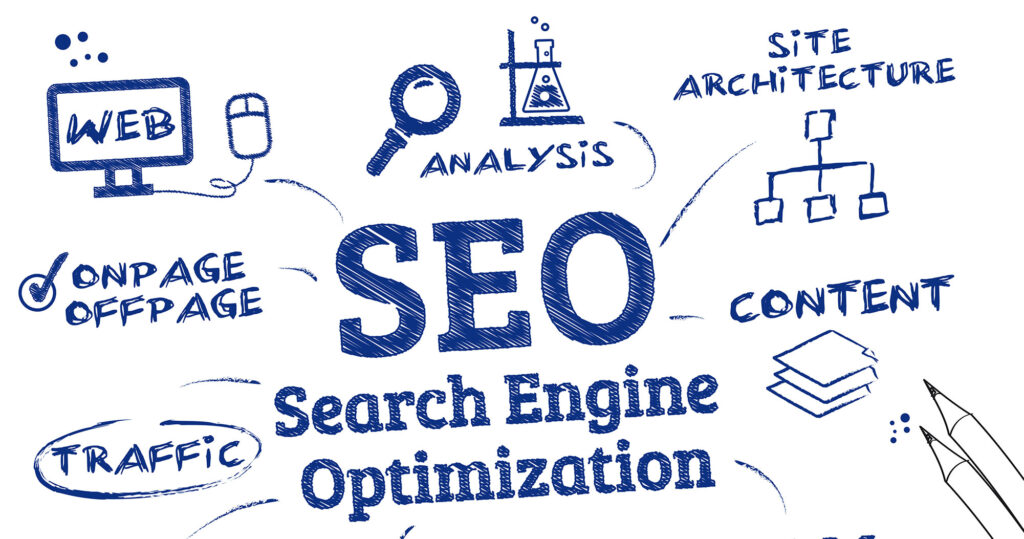
Step 3: How to Do SEO?
There are various ways you can do SEO FOR YOUR WEBSITE.
1. Research Keywords
This is the first and foremost way. First, you should find words/phrases your audience uses when searching online. Use tools like Google Keyword Planner or SEMRUSH.
2. Optimize On-Page Elements
Place keywords naturally in your page title, headings, and meta descriptions. and ensure that there should not be overstuffing of keywords.
3. Create Valuable Content
Write blogs, guides, and resources that provide genuine value and answer your audience’s questions.
4. Improve Technical SEO
Improving site speed, mobile-friendliness, and crawlability.
5. Build Backlinks
Get featured on reputable websites, industry blogs, and directories.
6. Monitor Performance
It’s your responsibility to monitor your website performance. Use Google Analytics and Search Console to track progress and improve strategies.
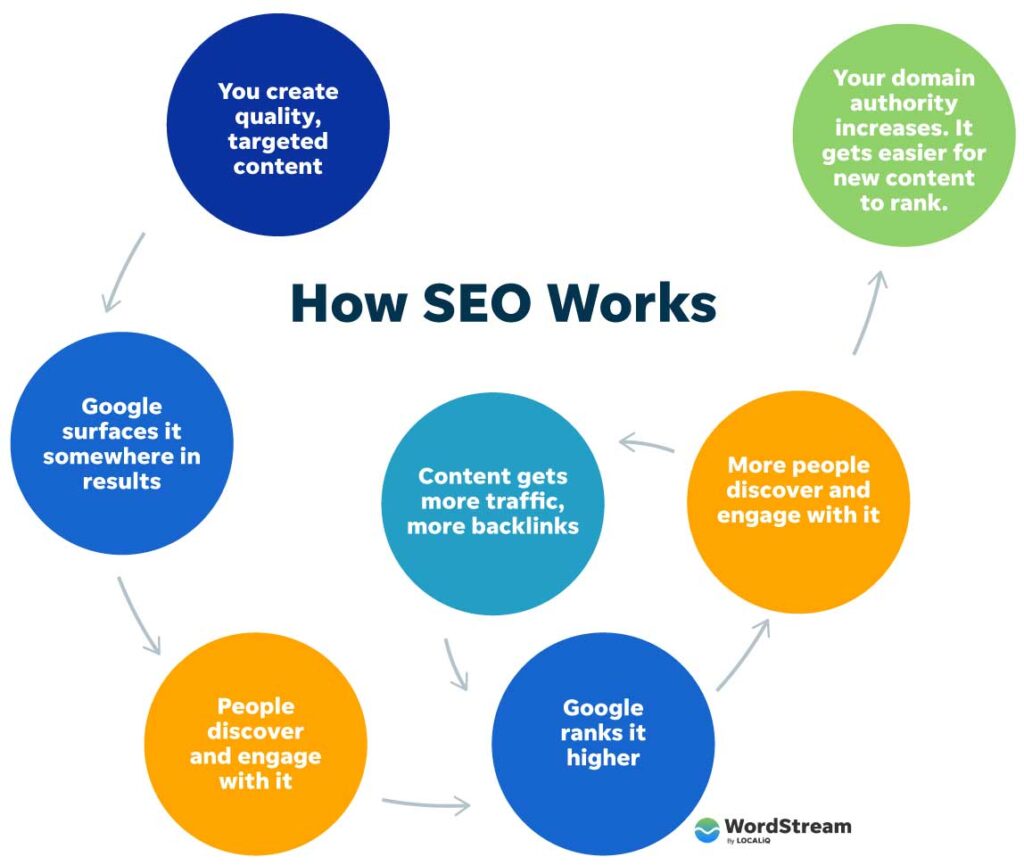
Step 4: Why SEO Matters in Business
SEO is a very essential part of your business journey because it serves as a powerful tool to increase online visibility, attract targeted traffic, and build lasting customer relationships without relying heavily on paid advertising. Here’s why SEO is crucial for businesses:
Increases Visibility: It helps your business to gain visibility in search engines, as whenever someone searches for the product or service you offer, your website comes up at the top in search engines.
Drives Targeted Traffic: Unlike broad advertising, SEO attracts visitors actively looking for what you provide, resulting in higher-quality leads more likely to convert into customers.
Builds Credibility and Trust: Websites that rank well on search engines are often perceived as more trustworthy and authoritative by users, enhancing your brand reputation.
Improves User Experience: Good SEO involves optimizing your website’s speed, mobile-friendliness, and usability, which benefits both users and search engines.
In short, SEO is a vital component of modern business strategy that helps companies grow organically by connecting them with customers at the exact moment they’re searching online for relevant solutions. This leads to sustained business growth, greater online credibility, and efficient marketing spend.
3) Conclusion
SEO is a vital component of modern business strategy that helps companies grow organically by connecting them with customers at the exact moment they’re searching online for relevant solutions.